
From Waste to Space Food: How Scientists Plan to Feed Astronauts with Poop
From Waste to Space Food: How Scientists Plan to Feed Astronauts with Poop
It might sound disgusting at first, but scientists are turning a very real problem into a surprisingly smart solution: using human waste — yes, including poop — to help feed astronauts during long space missions.
Space travel comes with a serious challenge. The farther humans go from Earth, the harder it becomes to carry enough food. Trips to Mars, for example, could take years, and there simply isn’t enough room to pack all the meals needed. Traditional farming in space is slow, heavy on resources, and not always reliable in a weightless environment. So researchers are looking at something astronauts will always produce — waste — and asking: can it be turned back into food?
That’s exactly what a research team at Pennsylvania State University has been working on. And their solution might be one of the most creative — and efficient — space food ideas to date.
The process starts with simulated human waste being placed into an airtight, oxygen-free container. Inside, special microbes are added to break down the waste through something called anaerobic digestion — basically the same type of microbial process that happens in our own guts. As these microbes digest the waste, they produce methane as a byproduct.
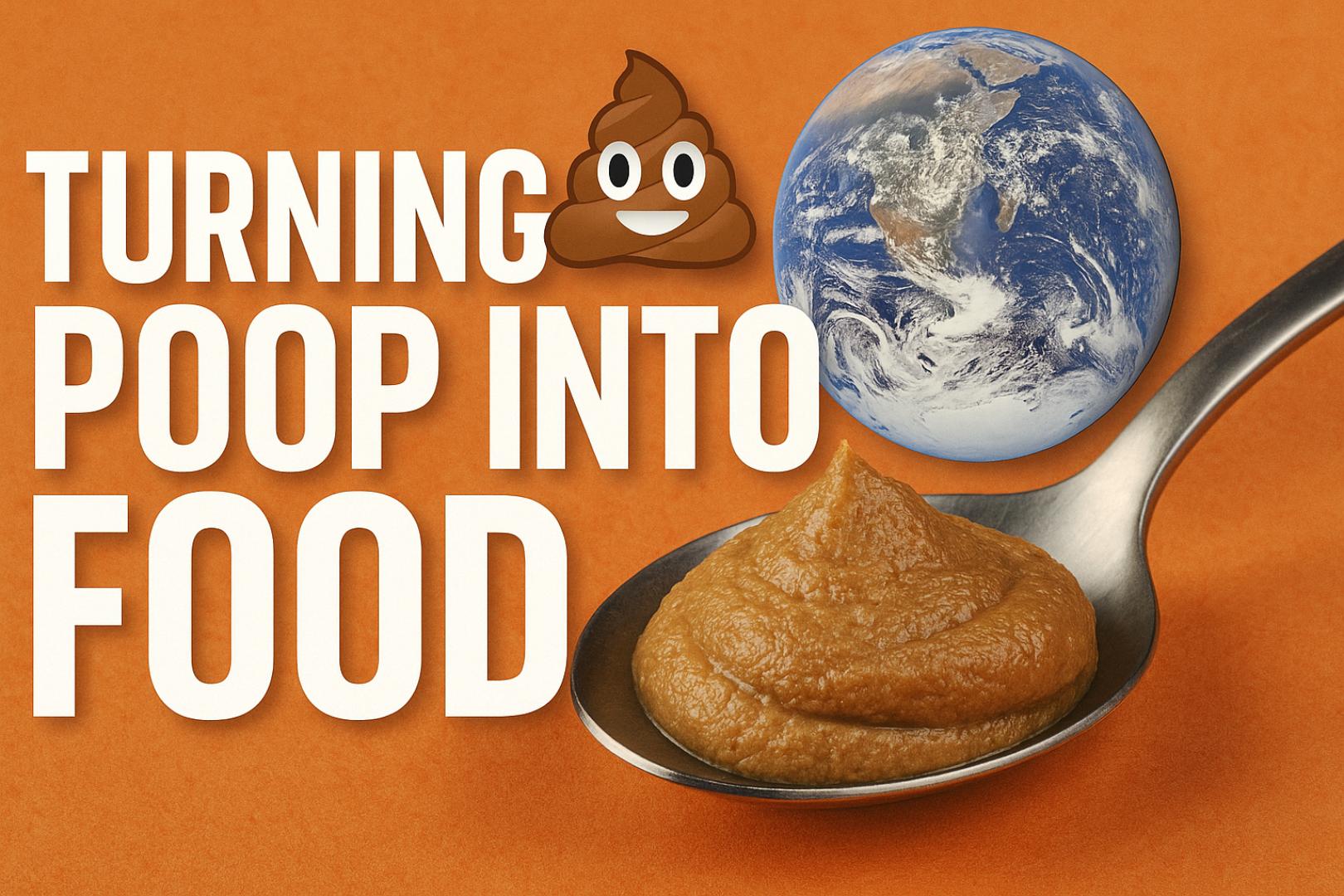
That methane isn’t wasted. It becomes food for another microbe called Methylococcus capsulatus, which scientists already use to make high-protein animal feed here on Earth. This microbe consumes the methane and grows rapidly, forming a thick, paste-like biomass that is around 52% protein and 36% fat. The result is an edible substance — not exactly a delicious meal, but something that could be used as a survival food in space. Think of it like a high-protein spread, somewhat like Marmite or Vegemite.
To make sure this method is safe, the Penn State team also experimented with growing microbes in extreme conditions — very hot or very alkaline — which prevents harmful bacteria from surviving. These extra safety steps mean the final product has very low risk of contamination and can be stored or consumed safely by astronauts.
What’s even more impressive is how fast the system works. In lab tests, nearly 60% of the solid waste was converted into usable food in just 13 hours — much faster than current waste recycling systems used on the International Space Station, which take several days just to process liquid waste into clean water.
The end goal here isn’t to gross people out. It’s to create a closed-loop life support system where waste doesn’t go to waste. On long missions — like those to Mars or beyond — astronauts will need to reuse everything. Air, water, and food will all have to be recycled in some way. Turning human waste into protein-rich food could be one of the most important steps toward making deep space travel truly sustainable.
Of course, this isn’t something astronauts are eating just yet. The system is still in the experimental phase, and researchers used artificial waste in their lab tests. But the concept is real, scientifically solid, and backed by peer-reviewed research.
In space, survival often means thinking outside the box — and sometimes, that means turning what we flush away into what we eat. It’s not appetizing, but it might just be the future of food for the stars.