
"Radioactive Wasp Nest Found at U.S. Nuclear Site: A Toxic Legacy"
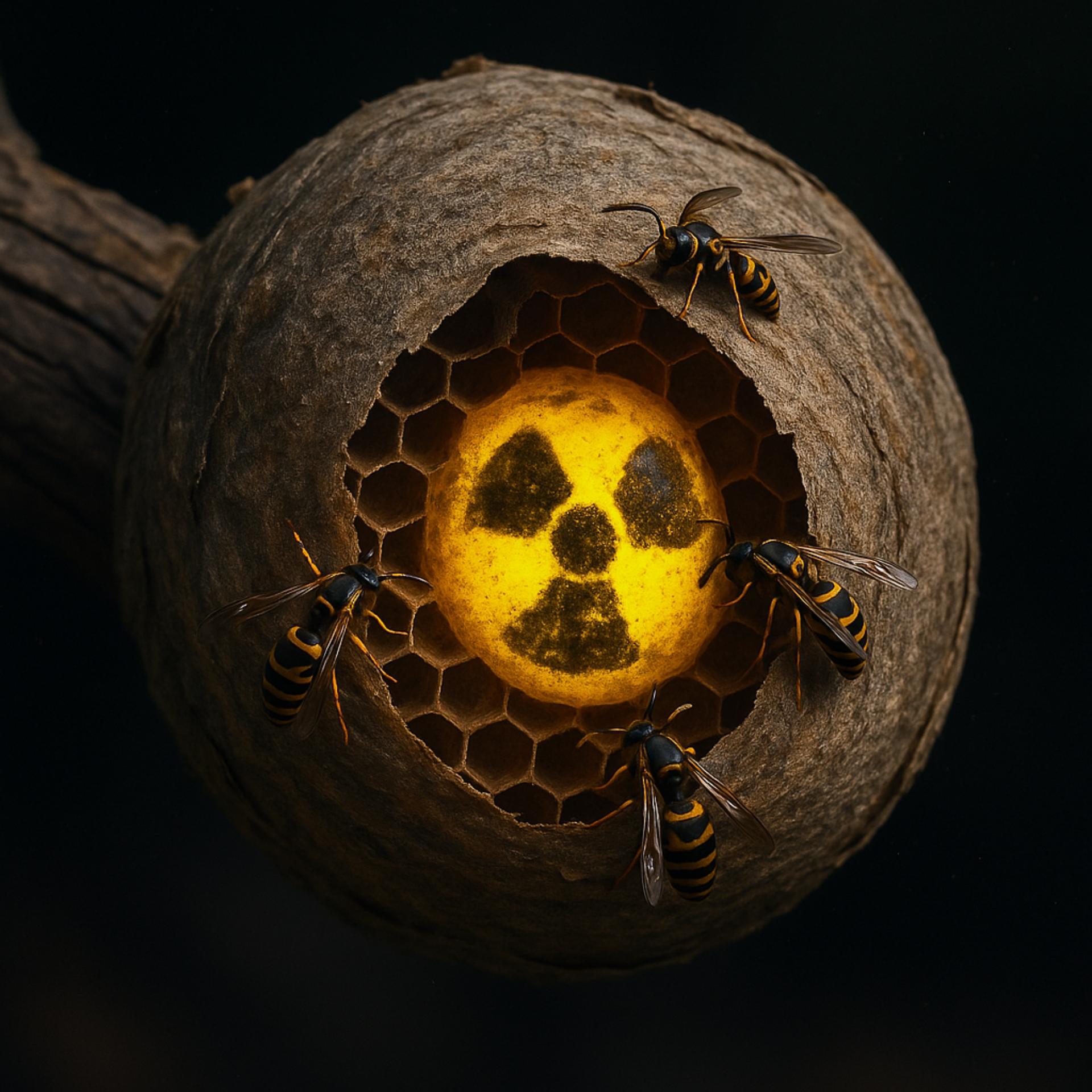
In a chilling reminder of the lingering risks from Cold War-era nuclear production, a radioactive wasp nest has been discovered at the Savannah River Site in South Carolina, a former nuclear weapons facility now dedicated to cleanup and environmental safety. The U.S. Department of Energy confirmed that the abandoned nest, found near tanks storing liquid nuclear waste, showed radiation levels more than ten times above federal safety limits.
Though no live wasps were present, experts warned that if the insects had been alive, they would likely have carried radioactive contamination. The nest was swiftly removed and treated as radiological waste. Officials reassured the public that there were no signs of active leaks or radiation in the surrounding soil, nor any harm to personnel or the environment.
The radiation is believed to stem from “legacy” contamination—remnants of decades-old nuclear activity still embedded in the site’s infrastructure. Nonetheless, watchdog groups are raising urgent concerns. They argue that the discovery, while contained, may hint at broader unresolved issues beneath the surface and are calling for full transparency about how the contamination occurred.
Spanning over 310 square miles, the Savannah River Site was once a key player in America’s nuclear arsenal production. Today, it symbolizes the daunting task of managing nuclear waste and the unforeseen consequences that continue to emerge decades after the last bomb material was forged.